
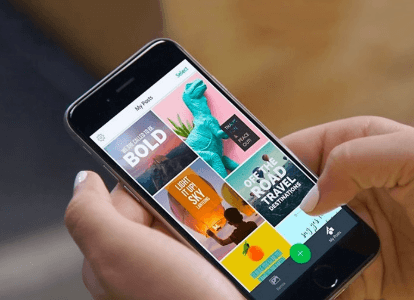
Whether you are a small business owner, a nonprofit coordinator, or a marketing professional, creating a polished brochure should not require a dedicated workstation or a steep learning curve. The challenge is finding brochure design software that delivers professional-grade editing tools while letting you work seamlessly across your laptop, tablet, or phone. Cloud-based brochure makers have changed the game, giving anyone the ability to design, revise, and share print-ready materials without being tethered to a single machine. This article breaks down what to look for in an online brochure tool and offers practical tips for getting the most out of advanced editing features, no matter what device you are working on.
Why Cloud-Based Brochure Design Has Become the New Standard
Not long ago, creating a professional brochure meant either hiring a designer or buying expensive desktop software that only ran on one computer. If you needed to make a quick change while traveling, you were out of luck. Cloud-based platforms changed that model entirely. Now, your project lives in the cloud and is accessible from any browser or app, which means you can start a design on your desktop in the morning and finish it on a tablet in the evening.
The shift to cloud design tools has also made advanced editing features far more accessible. Features that once required specialized knowledge, such as layering elements, adjusting bleed lines for print, or applying precise color management, are now built into intuitive interfaces designed for non-designers. The result is that more people can produce polished marketing materials without sacrificing quality or flexibility.
Beyond convenience, cloud-based tools also offer real-time collaboration. Teams spread across different offices or time zones can work on the same brochure simultaneously, leave comments, and track revisions without ever emailing file attachments back and forth. This alone makes cloud-based design software a serious upgrade over traditional desktop applications.
What to Look for in Advanced Brochure Design Software
Before diving into tips, it helps to understand what separates a basic template tool from truly advanced brochure design software. Not all online brochure makers are built the same, and knowing which features matter will help you choose the right platform and use it effectively.
Key features worth prioritizing include:
- Full layout control: The ability to move, resize, and layer every element on the page, rather than being locked into a fixed template structure.
- Typography controls: Options for kerning, leading, font pairing, and text hierarchy that go beyond just picking a font from a dropdown.
- High-resolution export: Support for print-ready file formats like PDF with bleed marks, CMYK color modes, or high-DPI PNG files.
- Brand asset management: A place to store your logo, brand colors, and approved fonts so every design stays on-brand.
- Cross-device sync: Automatic saving and syncing so your work is always up to date, regardless of which device you pick up next.
- Collaboration tools: Commenting, sharing links, and multi-user editing to keep teams aligned.
Once you know what to look for, the following tips will help you get the best results from any advanced brochure design platform.
10 Tips for Creating Standout Brochures With Advanced Editing Software
1. Start With Adobe Express for a Seamless Any-Device Experience
One of the most accessible and feature-rich options for online brochure creation is Adobe Express. The platform offers a wide library of professionally designed templates alongside a powerful editing suite that works equally well on desktop, tablet, and mobile. With the Adobe Express brochure maker, you can customize layouts, swap out imagery, adjust color palettes, and apply brand fonts all within a single interface. Because it is cloud-based and backed by Adobe’s ecosystem, your projects sync automatically so you can pick up exactly where you left off on any device. For anyone who wants the reliability of a trusted creative platform without the complexity of professional desktop software, this is a strong starting point.
2. Choose a Template That Matches Your Fold Format
Brochures come in several standard fold formats, including tri-fold, bi-fold, z-fold, and gate-fold, and each format has different layout considerations. Advanced design software typically offers templates organized by fold type. Selecting the right one from the start prevents you from having to restructure your entire layout later.
When choosing a template, think about how readers will physically interact with your brochure. A tri-fold, for example, has six distinct panels, and the order in which those panels are read matters for storytelling flow. Choosing the right template upfront saves hours of revision time and ensures your content lands in the right places when the brochure is folded and printed.
3. Use the Grid and Alignment Tools Religiously
One of the most underused features in advanced brochure software is the alignment and grid system. These tools ensure that every element on your page, from text blocks to images to icons, lines up precisely with the rest of the layout. Even slight misalignment can make a professionally designed brochure look amateurish when printed.
Most cloud-based tools offer snapping grids, alignment guides, and distribution tools that space elements evenly with a single click. Take the time to learn these features in whichever platform you use. Turning on a baseline grid for text is especially helpful for maintaining consistent spacing across multi-panel layouts, which are notoriously tricky to keep visually balanced.
4. Apply a Consistent Typography Hierarchy
Strong typography is one of the most powerful tools in brochure design, and it is also one of the easiest to get wrong. Advanced brochure software gives you precise control over font size, weight, line height, and letter spacing. Use those controls to establish a clear hierarchy: a bold headline, a slightly smaller subheading, and a readable body text size.
Stick to two or three typefaces maximum. More than that creates visual noise and makes the piece feel unpolished. A good rule of thumb is to use a strong display font for headlines and a clean, highly legible font for body copy. Many advanced platforms include font pairing suggestions that take the guesswork out of this process.
5. Leverage Brand Kit Features to Stay Consistent
If you are creating brochures for a business or organization, consistency across materials is critical. Many advanced cloud-based platforms offer brand kit functionality, which lets you save your exact brand colors (using hex codes or Pantone values), upload approved logo files, and specify your brand fonts. Every new project you start can then pull from those saved assets automatically.
This is more than a convenience feature. It acts as a guardrail against inconsistent color usage, off-brand typography, and logo misuse. When multiple team members are working on marketing materials, a shared brand kit ensures that the brochure the sales team creates looks like it came from the same company as everything else you produce.
6. Use High-Resolution Images and Understand DPI Requirements
One of the most common printing mistakes is using images that look sharp on screen but come out blurry in print. Digital screens display images at 72 DPI (dots per inch), while professional printing typically requires 300 DPI. Advanced brochure design tools often flag low-resolution images before you export, but it is smart to source high-quality images from the start.
Look for stock photo libraries integrated directly into your design platform to access high-resolution options without leaving your workspace. When placing images in your layout, avoid stretching them beyond their native size, as this degrades quality. If your software offers an image quality indicator, use it before finalizing your design.
7. Take Advantage of Real-Time Collaboration Features
Brochure design rarely happens in isolation. You may need a manager to review copy, a brand director to approve visuals, or a colleague to add localized information. Advanced cloud-based platforms make this simple through shareable edit links and commenting tools, allowing multiple people to contribute without creating conflicting versions of the file.
Set clear editing permissions. Give content contributors the ability to leave comments rather than directly editing the layout, to prevent accidental changes to your design structure. Many platforms let you toggle between view-only, comment-only, and full-edit permissions, which helps maintain design integrity while still gathering the input you need.
8. Design for the Correct Color Mode Before You Export
Color mode is a technical detail that has a big practical impact. Designs intended for digital use (websites, email, social media) should use RGB color mode. Designs going to a professional printer should use CMYK. The problem is that RGB and CMYK have different color gamuts, meaning some colors that look vibrant on screen may appear muted when printed.
Check whether your brochure design software supports CMYK output or offers a print-ready PDF export option. Some platforms handle this conversion automatically during export, while others require you to set the color mode before you start designing. Understanding this distinction before you send files to a printer can save you from costly reprints.
9. Preview Your Design in a Folded View Before Finalizing
Most advanced brochure platforms offer a preview mode, but fewer people use the folded or 3D preview options that show how a multi-panel brochure will actually look once it is physically folded. This step is easy to skip when you are in a hurry, but it is one of the most important quality checks you can do.
In a folded preview, you can see whether text gets cut off at fold lines, whether imagery flows naturally from one panel to the next, and whether the cover design stands out as a compelling first impression. Some platforms also let you simulate bleed and margin lines in the preview, which gives you a much more accurate picture of what will actually come back from the printer.
10. Export in Multiple Formats for Different Distribution Channels
A single brochure design often needs to serve multiple purposes. You might print a physical version for events, post a PDF on your website for digital download, and create a smaller image version to share on social media. Advanced design platforms make it easy to export one design in multiple formats without having to redesign anything from scratch.
When exporting for print, choose a PDF format with crop marks and bleed. For web or email, export as a compressed PDF or image file that loads quickly. For social sharing, some platforms let you resize your design to platform-specific dimensions with a single click. Planning these export formats in advance can save significant time and ensure your brochure looks great everywhere it is shared.
See also: How to Improve Business Performance
FAQ
What makes an online brochure maker “advanced” compared to a basic template tool?
A basic template tool typically allows you to swap out text and images within a locked layout. An advanced brochure maker goes further by giving you full control over every element: you can move and resize objects freely, adjust layer order, work with precise alignment tools, manage typography at the character level, and export files in print-ready formats. Advanced platforms also tend to offer brand management tools, collaboration features, version history, and integrations with other software. The difference is essentially the gap between filling in a form and actually designing a layout.
Can I really design a professional brochure from a phone or tablet?
Yes, and cloud-based brochure software has made this increasingly practical. Modern mobile-optimized design platforms are built with touch interfaces in mind, making it possible to drag and drop elements, pinch to zoom, and select text blocks with reasonable precision on a touchscreen. That said, complex layout work is generally more efficient on a larger screen. The most productive approach for most users is to do detailed layout work on a desktop or laptop and use mobile access for reviewing designs, making quick text edits, or approving work while away from the office.
How do I ensure my brochure prints correctly after designing it online?
The most important steps are setting up your document with the correct bleed and margin settings, using high-resolution images (at least 300 DPI), and exporting as a print-ready PDF in CMYK color mode. Many professional printers provide print specification guides that outline exactly what they need. Reviewing these specs before you start designing, rather than after, prevents a lot of costly rework. You can also use a service like Printful’s print-on-demand resource center to learn about file preparation standards for different print products, which can be helpful even if you are not using their print services.
What is the best way to collaborate on a brochure with a remote team?
Cloud-based design tools with built-in sharing and commenting features are the most efficient solution. Rather than exporting files and sending them via email, you can share a live link to your project that team members can view or comment on in real time. Assigning clear roles matters a great deal here. Designate one person as the design owner who controls the layout, and give other collaborators comment or suggestion access rather than full editing rights. Scheduling a brief sync meeting after a round of feedback helps resolve conflicting suggestions faster than an email chain.
How long does it typically take to create a brochure using online design software?
The time varies widely based on the complexity of the design and how prepared you are with content before you start. A simple tri-fold brochure using a pre-built template, with your own copy and images ready to drop in, can be completed in one to two hours. A custom design built from scratch with original photography, detailed infographics, and multiple rounds of stakeholder review might take several days. Having all your written content finalized before you open the design tool is the single biggest time-saver, since editing copy and adjusting layouts simultaneously almost always takes longer than doing them in sequence.
Conclusion
The tools available for online brochure design have improved dramatically, and the best platforms now offer everything from advanced typography controls and brand management to real-time collaboration and multi-format exports, all accessible from any device with a browser. Whether you are designing a tri-fold for a trade show or a digital brochure for email distribution, choosing the right cloud-based platform and understanding how to use its advanced features will make the difference between a generic template and a polished, professional piece.
The key is to start with a solid foundation: the right fold format, a clear content hierarchy, high-quality assets, and consistent brand elements. From there, the advanced tools covered in this article, including alignment grids, brand kits, color mode settings, and folded previews, are what separate a brochure that looks good on screen from one that commands attention in the real world. With a capable brochure maker at your fingertips and a clear process in place, there is no reason great design has to be complicated or confined to a single device.
